 An international team of researchers discovered a plant signal that causes roots to stop growing in hard soils but can be disabled to allow them to break through, potentially enabling new crop growth in damaged and compacted soils that can reduce agricultural output by half and cause significant losses each year.
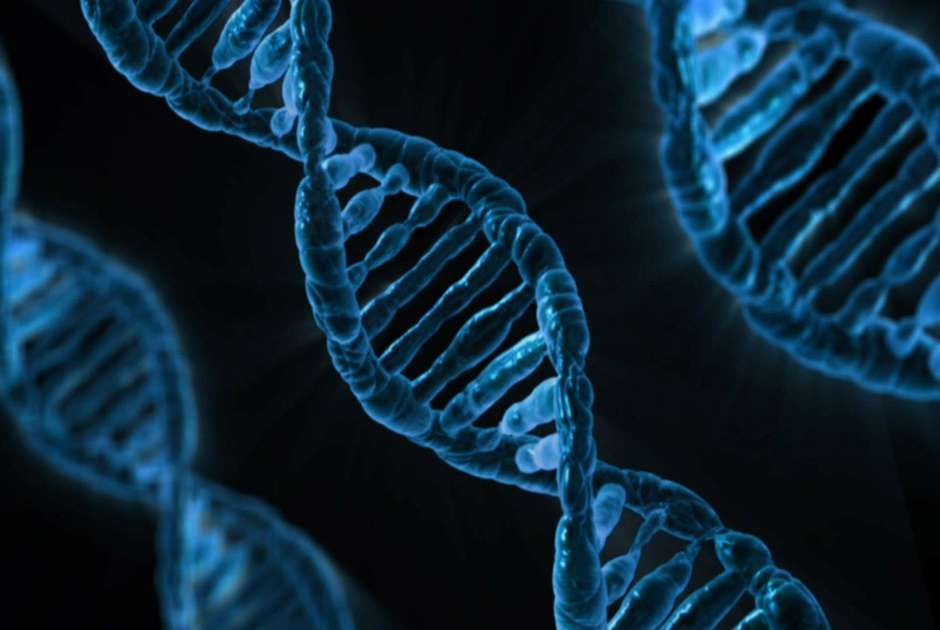 Cells moving through small gaps can damage their DNA even without rupturing their nuclei by causing problems with DNA replication, a possible outcome for cancer cells as they move throughout the body during metastasis.
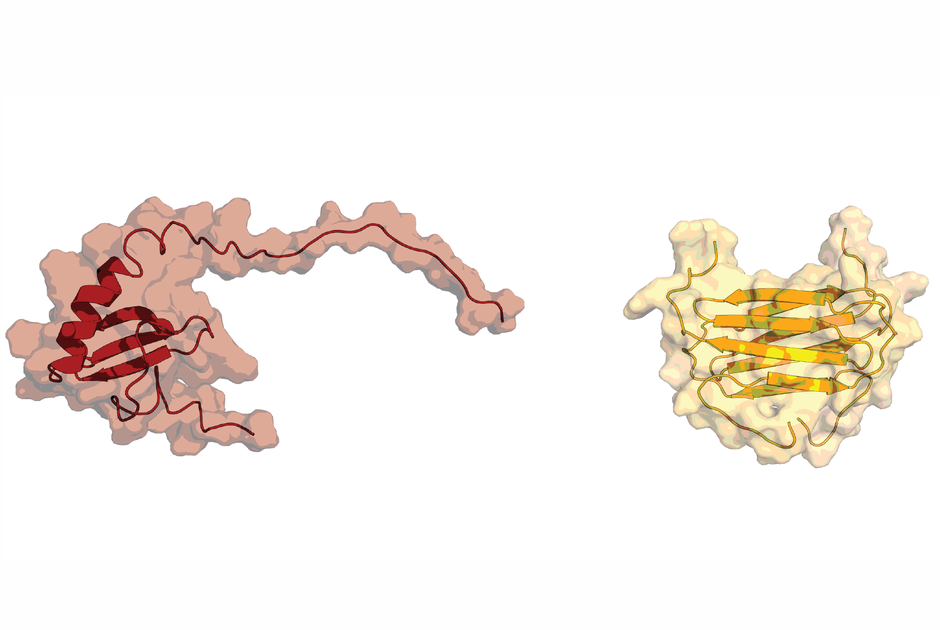 A search through evolutionary time led scientists to learn how and why a particular human protein can fold into a second structure to fulfill a different role, a phenomenon rarely found in proteins.
 Plants’ ability to keep absorbing close to one-third of human-caused carbon emissions could be slashed in half by 2040, as forests and other land ecosystems start releasing more carbon than they store, according to the first study to identify a photosynthesis “temperature tipping point” based on on-site data from around the world.
 Zebrafish are unlikely to evolve fast enough to adapt to rising water temperatures caused by climate change, leaving them vulnerable to deadly heat waves predicted in the future.
Scientists in Australia have figured out how to cripple an antibiotic-resistant superbug that's responsible for up to one in five bacterial infections in intensive care units by using bacteriophage viruses.
 As the climate changes, lakes are on track to experience lengthier and more severe periods of extreme warm surface temperatures by the end of the century, novel research published Wednesday shows, with some even projected to reach a “permanent heatwave state” that could alter entire ecosystems and imperil the economic benefits they provide.
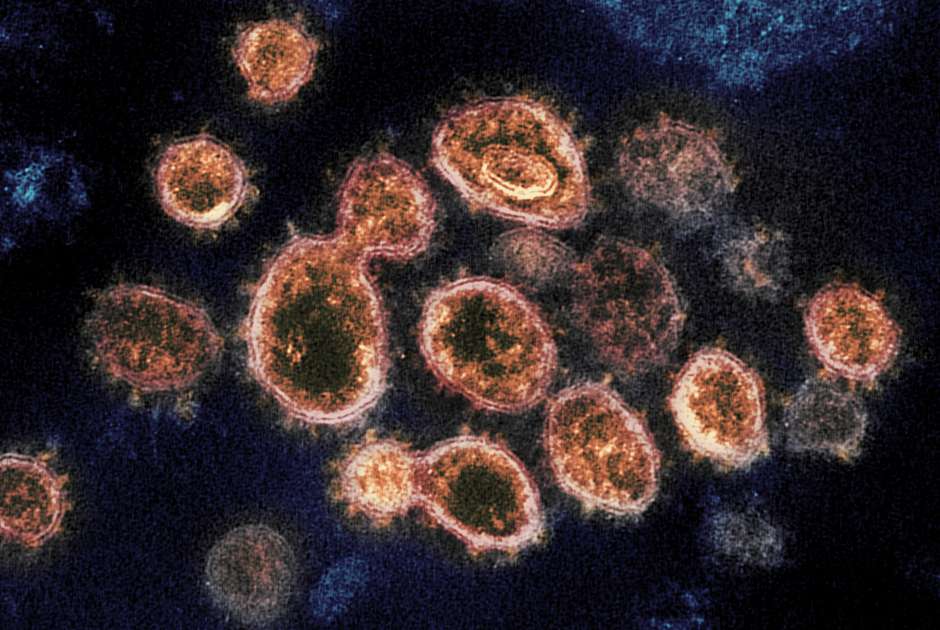 The novel coronavirus is incapable of infecting human cells that do not produce certain molecules, including some related to cholesterol, researchers found in a paper published in Cell, opening the door for possible COVID-19 drug treatments.
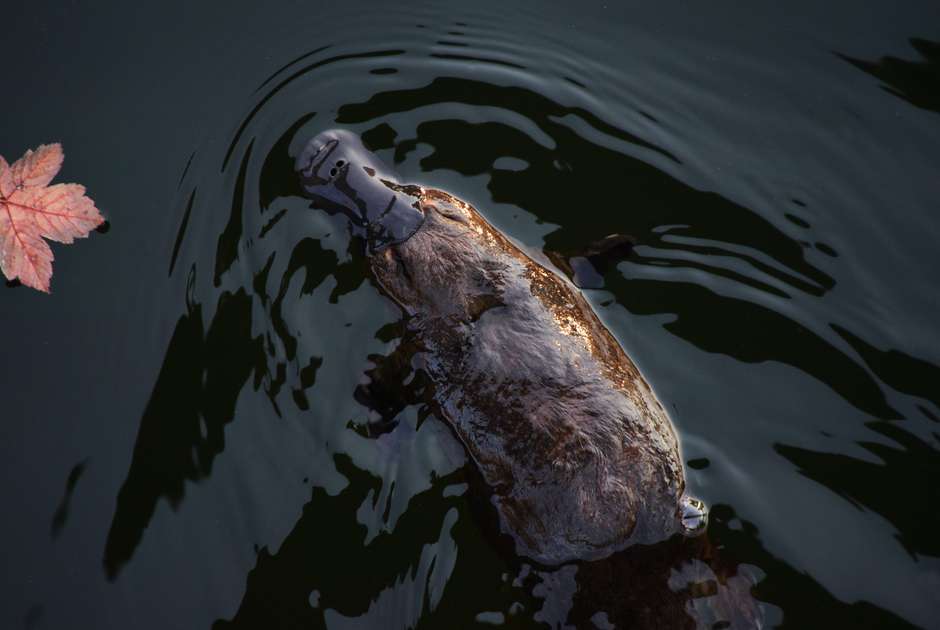 Scientists found evolutionary explanations for some of platypuses’ strangest features, such as laying eggs, sweating milk and having 10 sex chromosomes, by creating the most complete genomes of the unusual mammal and the closely related echidna.
Participants who vaped a standard dose of CBD-dominant cannabis did not exhibit impaired driving in a recent study measuring the effects of the less-examined cannabidiol compound found in marijuana.
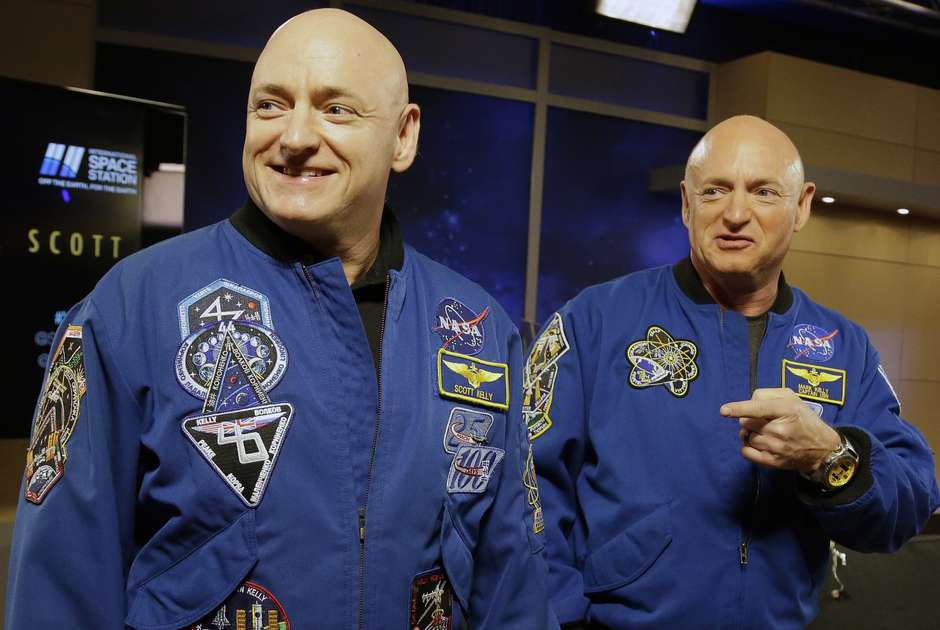 Despite originating from the same fertilized egg, about 90% of identical twins have differences in genes that arose from mutations in utero, while 15% of pairs had a substantial number of genetic differences between them, according to new research. It raises questions about the results of scientific twin studies investigating the question of “nature versus nurture” that assume otherwise.
Troubles in adulthood such as criminal offenses or mental health issues have stronger associations with negative psychological experiences endured in adolescence than in early childhood, new research found.
 German researchers found that mouse cells absorb microplastic particles about 10 times as often when they have been exposed to aquatic environments and developed a crust of biological matter, suggesting that they may enter animal tissue more frequently than previously known.
The gradual recovery of once-abundant Pacific Northwest beavers may be crucial not just to the state animal of Oregon but also to certain types of slow-developing amphibians that require the unique habitats created by beaver dams, according to new research.
 The biological clock in humans is bolstered by more than 100 strands of microRNAs, parts of so-called “junk DNA” that stop protein production, according to a paper published in Proceedings of the National Academy of Sciences. The study introduces a new dimension to understanding the 24-hour cycles in cells throughout the body.
Plastic debris that mysteriously returns from the shallow ocean floor to the coastal shoreline may be hitching a ride on uniquely capable but long-deteriorating Mediterranean seagrass meadows, according to a study published Thursday in Scientific Reports.
As higher education institutions continue to weigh welcoming students back to campus next term, a study published Wednesday in Computer Methods in Biomechanics and Biomedical Engineering suggests colleges that take the right precautions can reopen safely amid the pandemic despite experiencing “an extreme incidence” of COVID-19 in the initial weeks of fall classes that also impacted surrounding communities.
In the first large-scale analysis connecting specific long-term eating habits to cognitive activity in people’s later years, U.S. researchers tied daily consumption of cheese and red wine to higher levels of fluid intelligence.
 An artificial intelligence-powered imaging method developed by a University of Illinois at Urbana-Champaign research group can capture live cells without using fluorescent dyes, which are toxic to some specimens.
 Gold's well-known antibacterial properties are derived from mechanical stress it applies to cells, according to a study published in Advanced Materials, in which bacteria were exposed to nanoparticles of the precious metal and had their cell walls stretched beyond their breaking point.