
 International travel can help spread genes that allow bacteria to become resistant to antibiotics, scientists reported Sunday in a study of nearly 200 Dutch adults who visited two continents.
 Scientists designed a router that can bridge several qubits simultaneously — a win for the emergent field of quantum computing as it removes boundaries drawn by the classic two-dimensional grid on which these units are distributed.
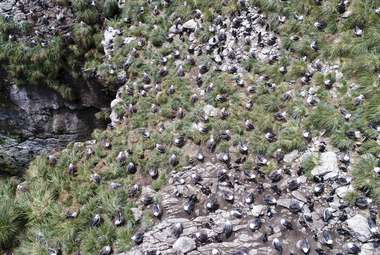 Researchers from Duke University's Marine Lab have developed an approach combining neural networks and drones that can locate and count hundreds of thousands of seabirds, helping conservationists obtain a more comprehensive view of how climate change and other dynamics have affected wildlife populations.
 Companies are less risk averse when one of their directors experiences a corporate bankruptcy at another firm where they concurrently serve as a director, according to new research, especially if that director holds a more advisory role with the company.
 Vegetation cover in California's Sonoran Desert has diminished over the past three decades as a result of droughts and warming temperatures, highlighting dryland ecosystems' vulnerability to climate change.
 Men with disagreeable personalities who are in traditional marriages earn higher salaries, but only if they are supported by highly conscientious wives at home, new research involving roughly 1,750 married couples suggests.
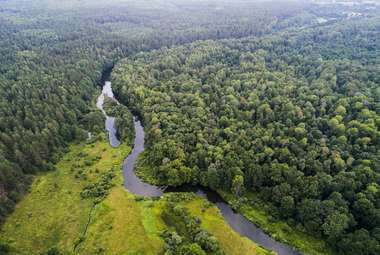 A plant's leaves reflect light according to the type of fungal symbiont associated with its roots, according to a new study that suggests aerial imaging of treetops could give insight into distributions of mycorrhizal fungi, which play key roles in global carbon and nutrient cycling.
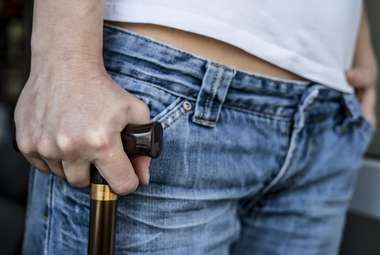 Researchers have developed a novel approach based on machine learning to project the likely progression of disability from multiple sclerosis, relying on the most complete patient history of any prior strategy, by utilizing information from more than 6,600 MS patients across five continents. The team can generate more precise predictions within milliseconds, potentially enabling better therapeutics for a serious and incurable disease.
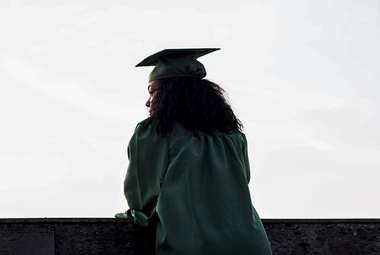 Decreasing the gap in educational attainment between white and Black people may help reduce the racial pay gap, whereas ensuring that women receive the same returns on their education as men would reduce the gender pay gap, according to a new study that indicates fixing pay disparities in the U.S. isn't a one-size-fits-all solution.
 In a first-of-its-kind economic investigation, new research suggests that banning smartphones in the workplace could result in fewer breaks and improved employee performance, especially if employees don't view the ban as a signal of distrust.
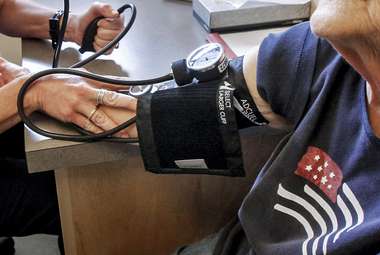 A troubled health system lets Americans with heart failure fall into financial ruin, according to a new analysis of health spending.
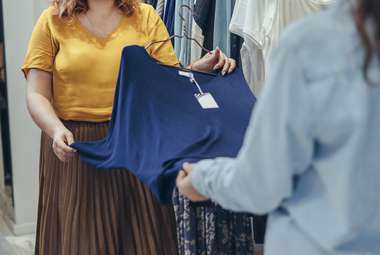 Customers may be less likely to buy certain items when a salesperson has been in close physical proximity to them, as they prefer to keep their distance during interactions with sales associates, according to a recent study involving more than 1,200 participants — the first to show a connection between salesperson proximity and consumer purchasing in a real-world retail setting.
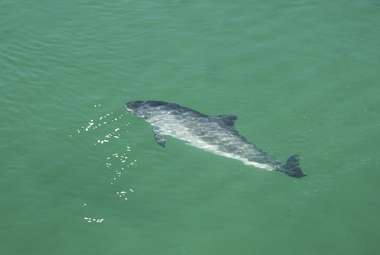 An investigation of microplastics in marine mammals from German waters has revealed that the tiny particles were present in nearly all the deceased harbor porpoises examined by scientists, although more research is needed to determine what this means for the animals’ health.
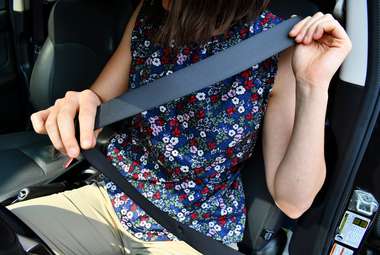 For the first time, researchers from the University of Virginia and Toyota have described how human fat tissue behaves under forces typical of motor-vehicle crashes, closing a vulnerable gap in car safety research while offering a valuable resource for manufacturers seeking to make safer vehicles.
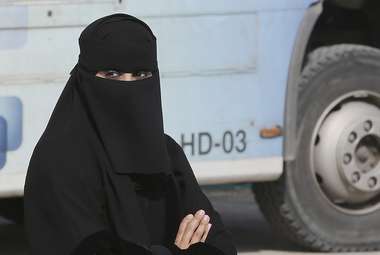 For countries with high Islamic prevalence, giant oil and gas discoveries depress female workforce participation not because of the discoveries themselves but because of restrictions on women's mobility in many Muslim-majority countries, according to a new study that contradicts previous hypotheses.
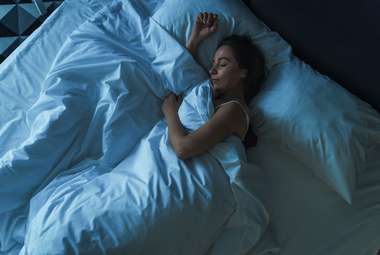 A novel approach to monitoring sleep with remote sensing and radar signals that uses a new active motion suppression technique to address an artifact from breathing motion has been invented by researchers from Arizona State University, potentially providing an alternative to both high-tech wearable devices and the sensors used in clinical sleep studies.
 News stories presented as fact-checks could help readers update their beliefs more accurately than conventional news articles, but such stories are also perceived to be more biased, new research suggests.
 Children who are more emotionally sensitive may be more responsive to both supportive and adverse caregiving experiences, as measured in the amygdala, a brain region involved in responding to stress and regulating emotions.
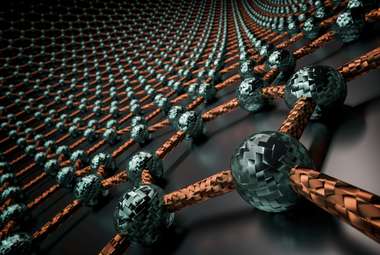 German and Danish physicists used an electric field to control the single atomic bond between a specialized microscope and a one-atom-thick layer of graphene. The newly realized approach, accomplished by changing the voltage across the bond, allowed the researchers to pick up and drop the graphene with the microscope like a crane.
 Most people can sense when a conflict is brewing in their personal relationships, but what if their smartphones could, too — and could intervene during the moments before an argument boiled over? That's the idea behind a developing technology that could detect and mediate relationship problems by tapping into data from smart devices.
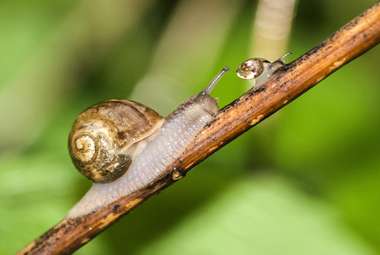 Ninety-nine million years ago, in the tropical forest of what is now Myanmar, a snail gave birth to five children near the site of what could have been their first meal. Except the possible food source, tree resin, ended up swallowing them all, leaving behind a unique amber fossil that captures not only a snail, still soft inside, but a rare glimpse into its life history.