
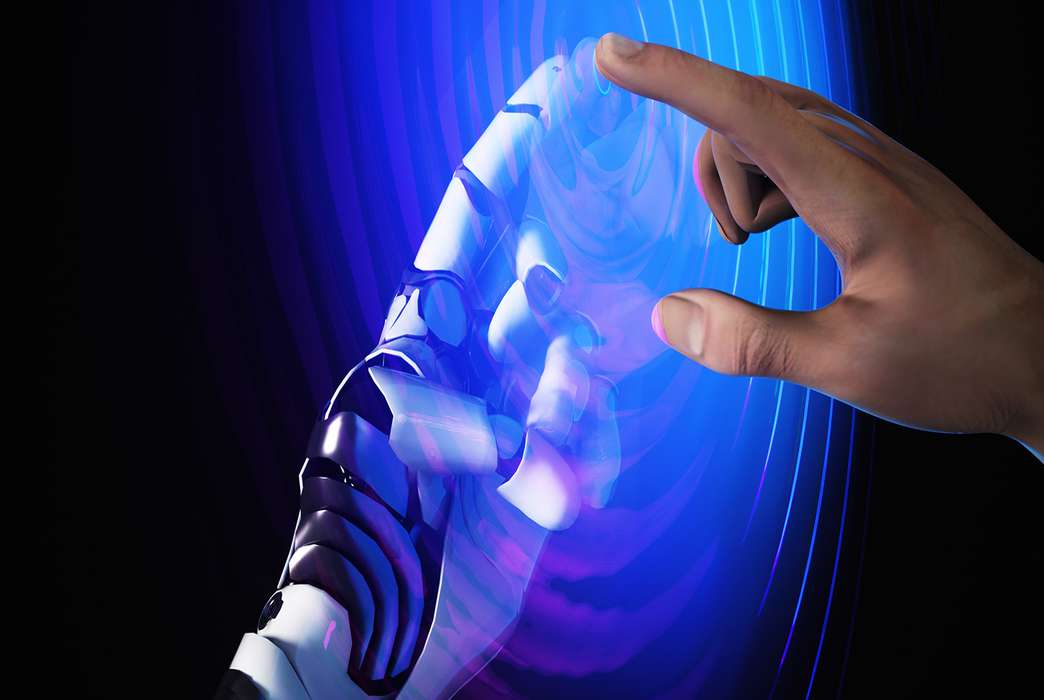
 Algorithms are required to give traits to robots — they're computers that lack intuition, after all — and newly released formulas represent a specific type of friction intrinsic to human grip that takes into account fingerprints, sweat and dexterity.
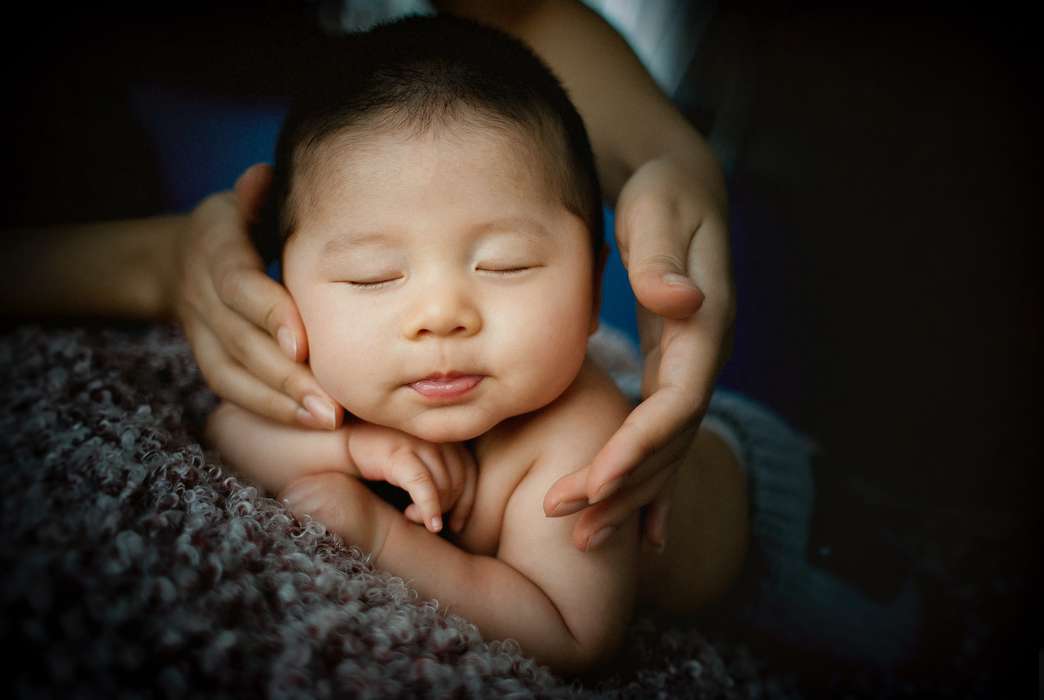 A baby's first poop correlates with whether the newborn will develop allergies later on, because the metabolite content of this earliest excretion may play an important role in teaching an infant's immune system to accept stimuli ranging from peanuts to pollen.
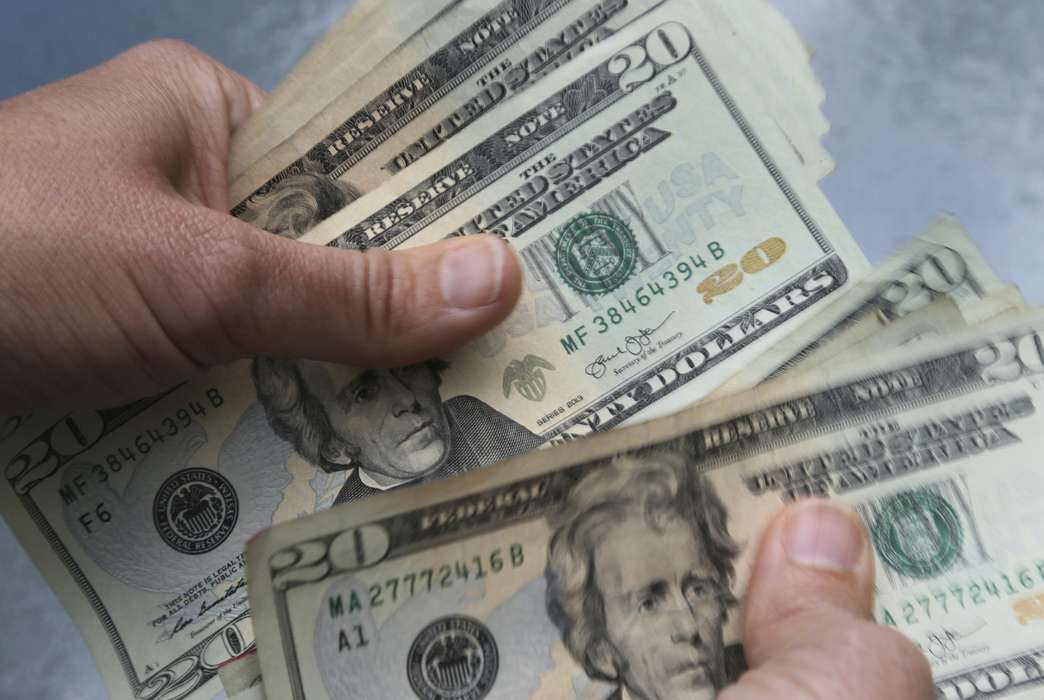 Shadow banks have made a killing on the market during the coronavirus pandemic, perpetuating and intensifying the economic status quo in a system working well for the ultra-rich while destabilizing the lives of everyday people, a new paper argues.
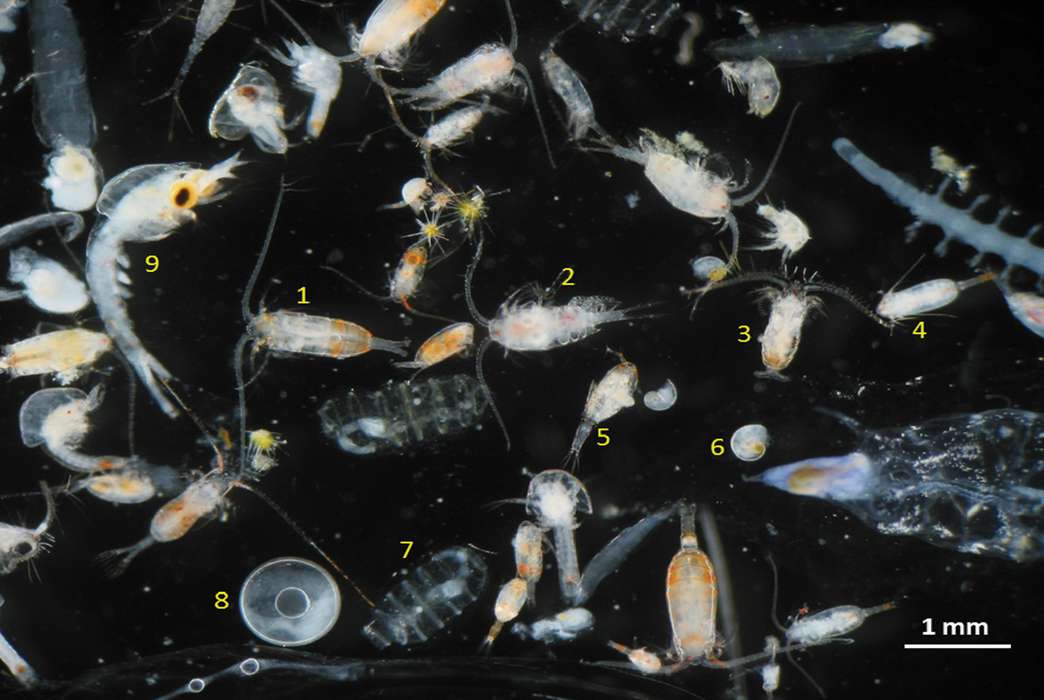 The ocean’s oxygen levels may be taking a hit from the indirect impacts of zooplankton gobbling up tiny bits of plastic rather than more nutritious fare, perhaps exacerbating the effects of global warming.
 Immigrants in the United States are more likely to create jobs than to take them, according to a new study examining the role of immigrants in entrepreneurship.
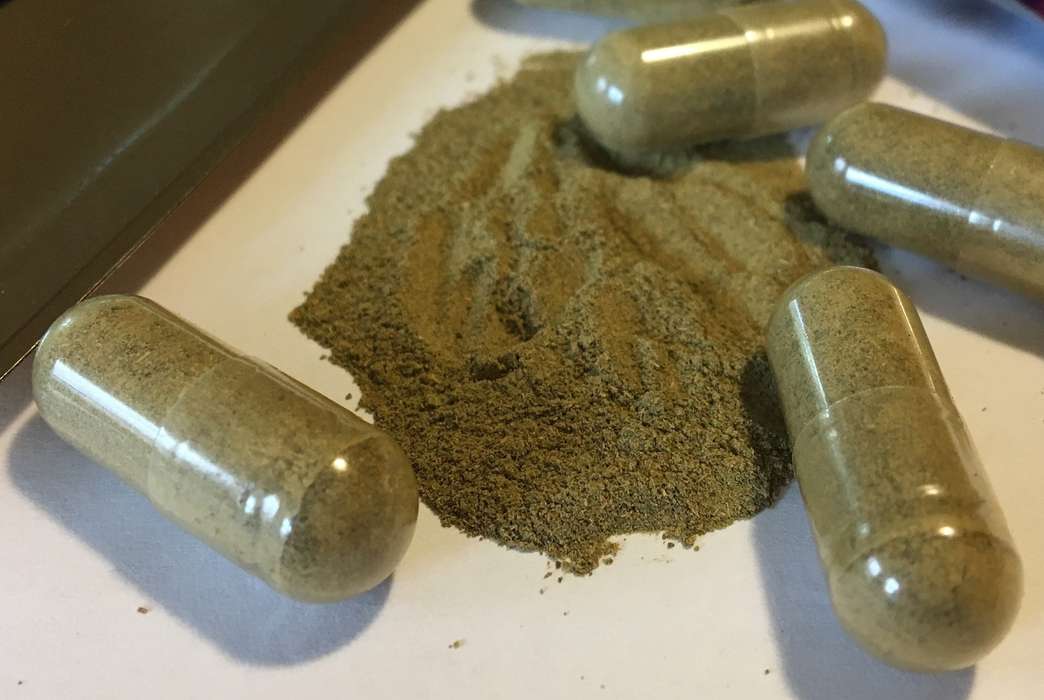 Americans' use of kratom, a plant-based drug often promoted as an alternative to opioids that has been banned in several states, is rare overall but more common among those who use other drugs, according to research published Thursday.
 Projecting targeted sound into the airspace surrounding buildings, communication towers and wind turbines could give birds a heads-up before they fatally strike such obstacles, researchers say.
 The vast majority of lower-income urban neighborhoods across the U.S. have fewer trees per capita than higher-income neighborhoods, an inequity that contributes to higher temperatures, poor health outcomes and, in some cases, premature death.
 Using robotics and brain imaging, researchers have discovered an abnormality in the brains of patients with Parkinson's disease that may explain why some experience "presence hallucinations," sensing the shadowy presence of another person when nobody is there.
 Racial and ethnic minorities in the U.S. are consistently exposed to more deadly fine particulate air pollution on average than white people, a disparity that is present across virtually all regions and income levels, research published Wednesday shows.
 In a finding that could have key implications for cancer and viral infections in human patients, Australian researchers induced sickness in mice and then stressed them out, showing for the first time that the rodents' white blood cells effectively lost the ability to move, potentially leading to a slowed immune response and an increased vulnerability to further infection.
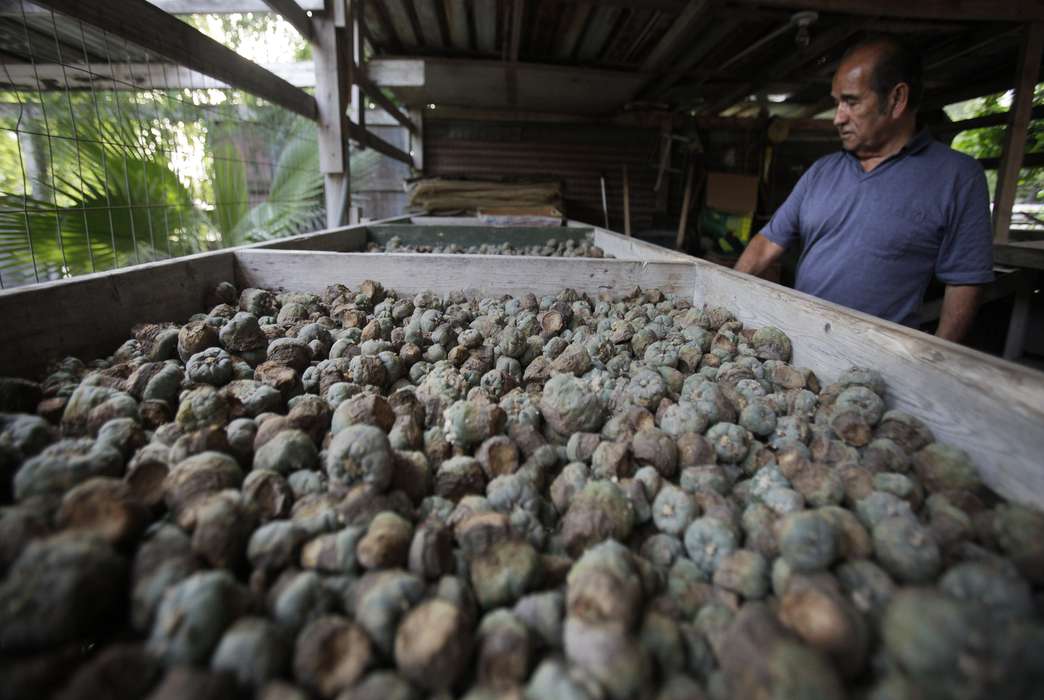 A new bioluminescent sensor can identify substances that provide the clinical benefits of hallucinogenic drugs for depression, substance use disorder and other conditions without hallucinogens' intense psychoactive side effects, allowing researchers to find potential psychiatric treatments more efficiently.
 The pace of glacier melting has sped up over the last two decades, according to an analysis of hundreds of thousands of glaciers that researchers called the most accurate of its kind.
 Researchers have published the most complete and highest-quality set of reference genomes for 16 vertebrate species, creating a resource that could help scientists address fundamental questions in biology, medicine and biodiversity conservation.
 For the first time, molecules have been put in an extreme quantum state of matter known as a Bose-Einstein condensate, an experimental result that sets the stage for applications such as new kinds of chemistry and quantum computing.
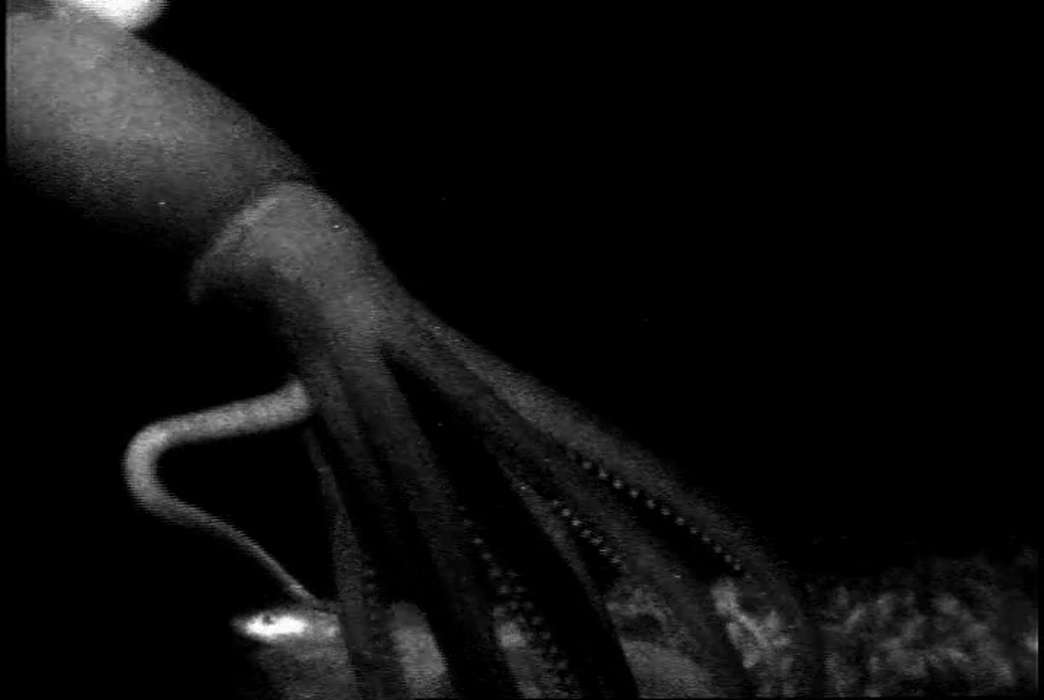 Only recently have scientists shown us video evidence of the giant squid in its deep sea habitat, and both of the landmark recordings were captured with a stealthy undersea camera that researchers say could be adapted to get a better view of the iconic creature.
A new smell testing device developed by U.K. researchers, which uses breakable capsules filled with scented oils, has the potential to replace the "gold standard" scratch-and-sniff tests and help diagnose both chronic neurological conditions and acute respiratory infections that involve an impaired sense of smell, including COVID-19.
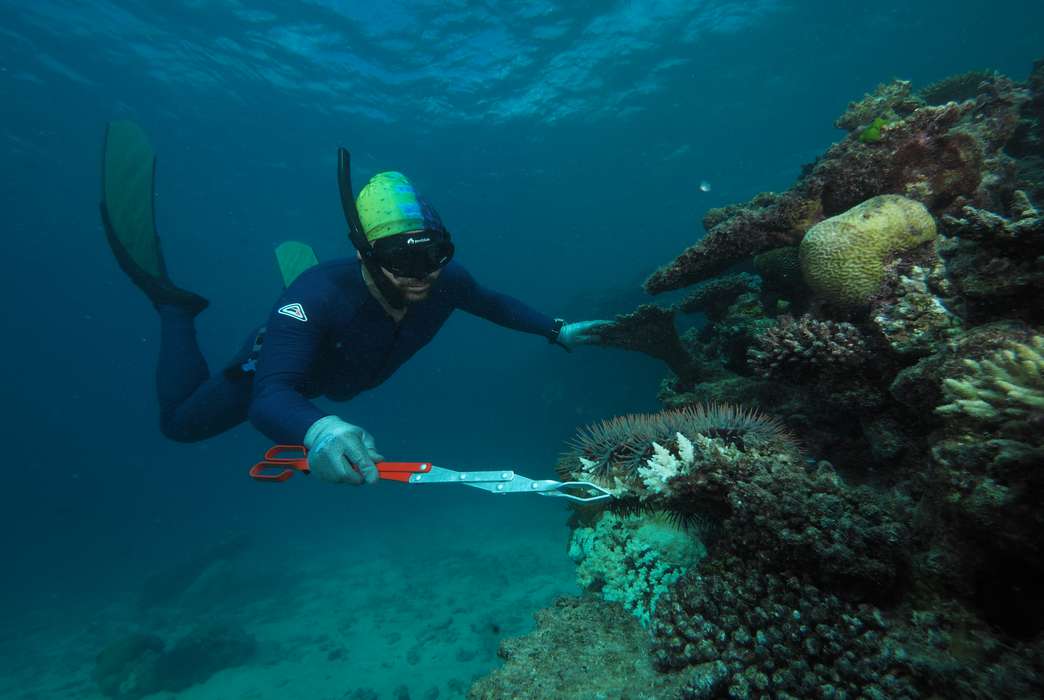 By modeling the effects of climate change on the Great Barrier Reef over the next 50 years, researchers were able to determine a set of local interventions that could delay its decline by up to 20 years, allowing more time for global climate initiatives to take effect.
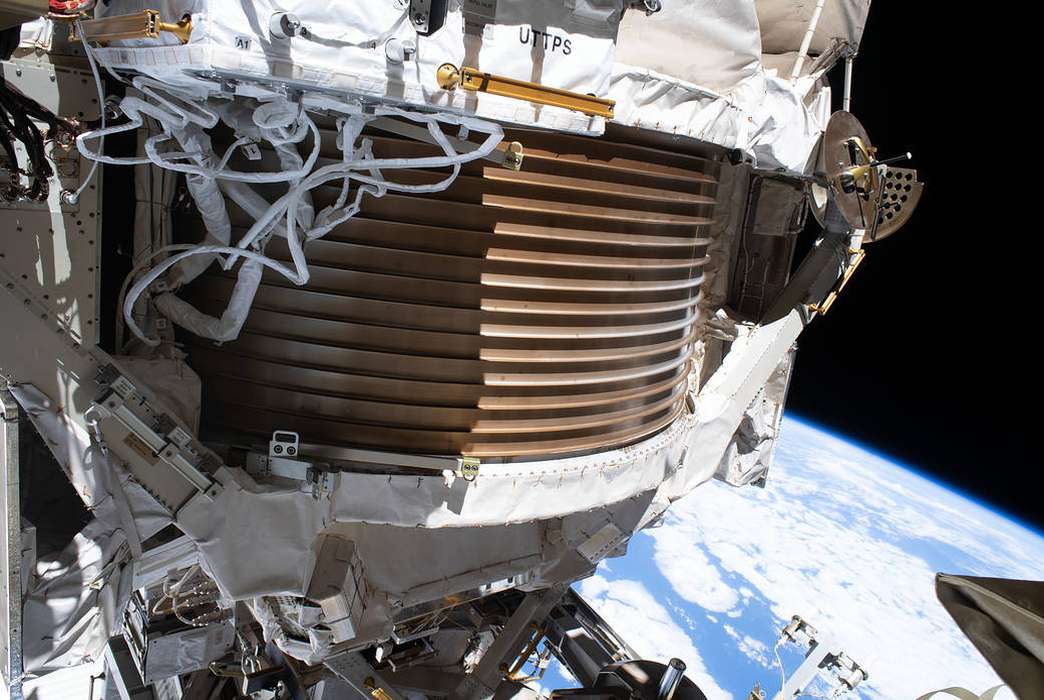 Cautioning that the existence of antistars would shatter known models of the universe, researchers put the prospect of finding such an object at one in every 400,000 regular stars within the Milky Way galaxy — 20 times lower than what previous studies suggest and the strictest reported limit to date.
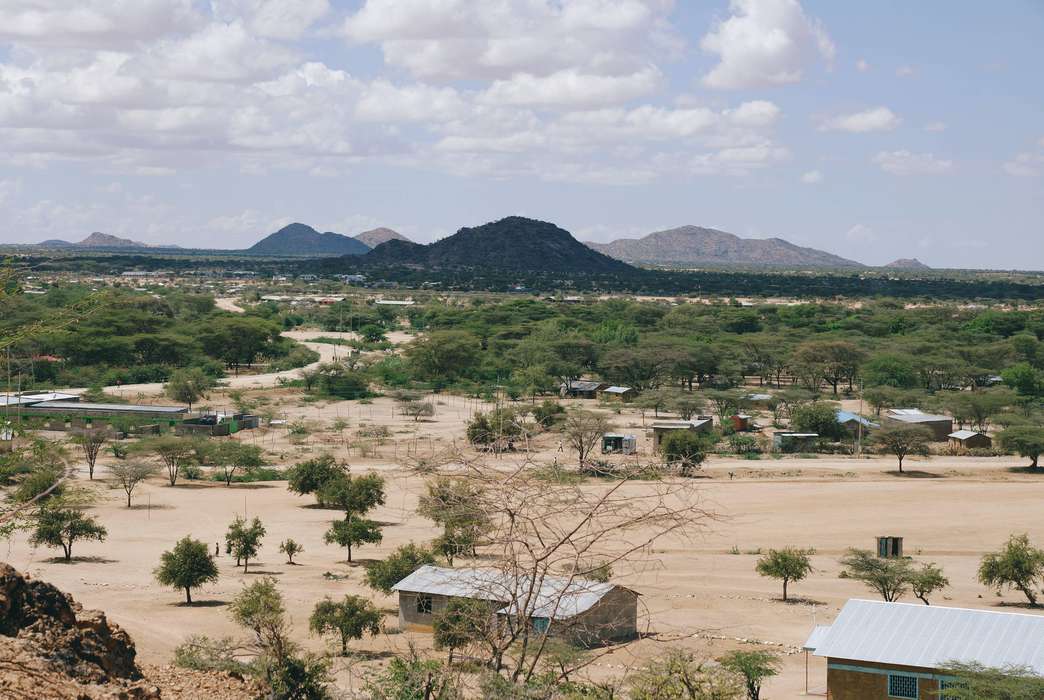 Members of the Turkana, a pastoralist ethnic group in northwest Kenya, have post-traumatic stress disorder symptoms following herding raids and other traumatic events, like those seen in U.S. service members after combat, suggesting PTSD may be a human universal.
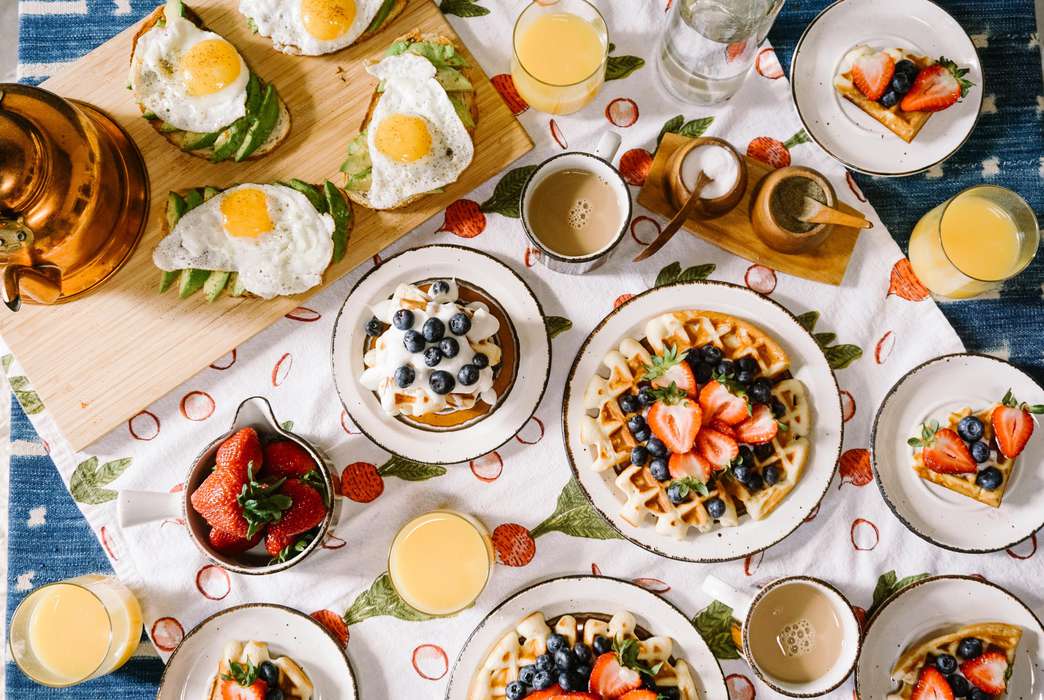 New evidence shows that changing the amounts of carbohydrates, proteins and fats in breakfast impacts serotonin levels in the brain and the riskiness of people's behavior.